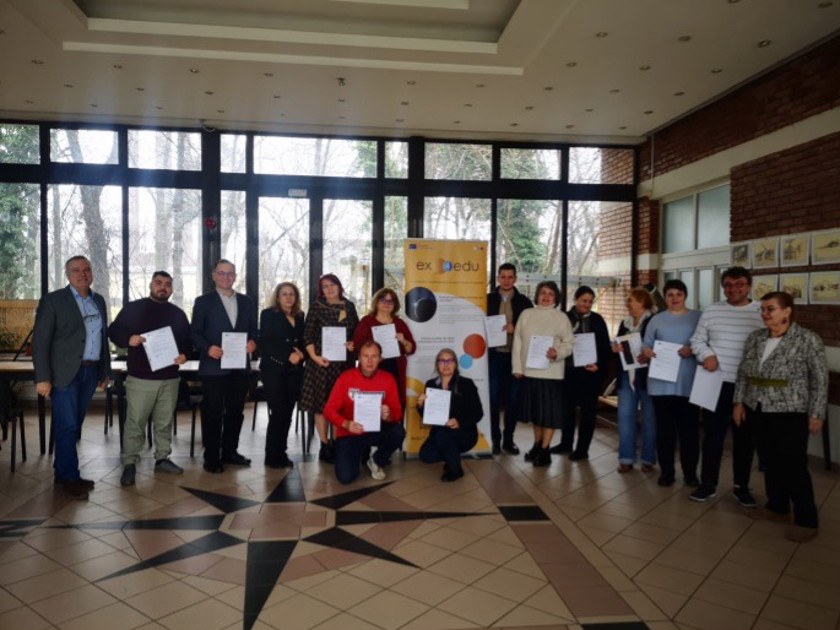
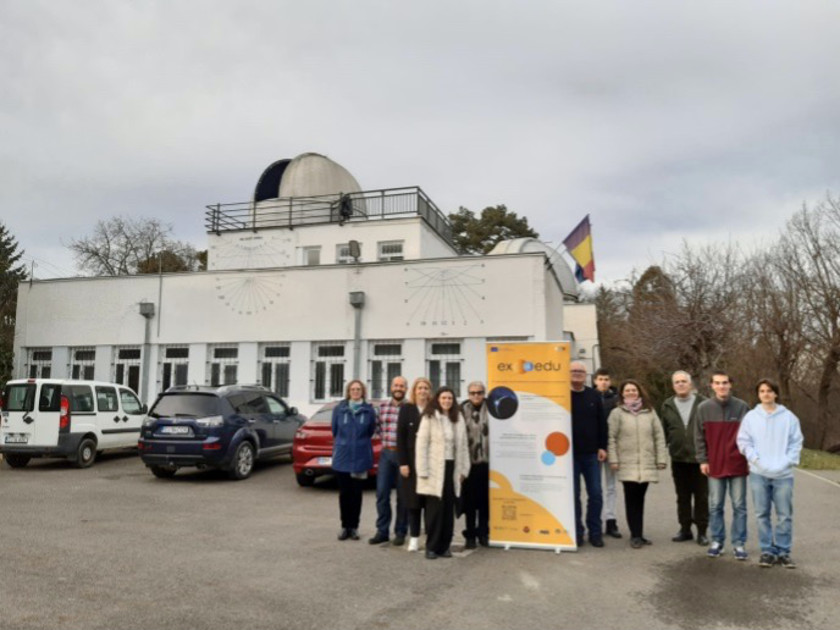
On February 14-15, 2026, 21 selected educators took part in the inaugural Romanian national training session of Exo4EDU Romania. These chosen teachers engaged in a blended learning model, which merged traditional face-to-face teaching with online resources that they could explore at their own pace in January 2026, leading up to the in-person sessions held at two locations: the Astronomical Institute in Bucharest and the Astronomical Observatory in Cluj-Napoca. Furthermore, every teacher interested in the Exo4EDU program established a collaborative partnership with the Astronomical Institute of the Romanian Academy.
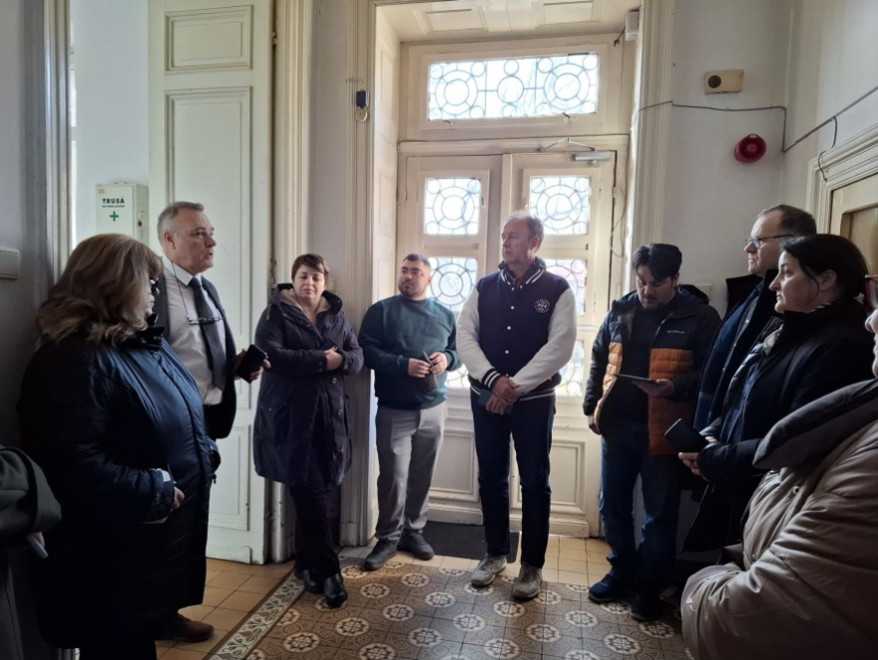
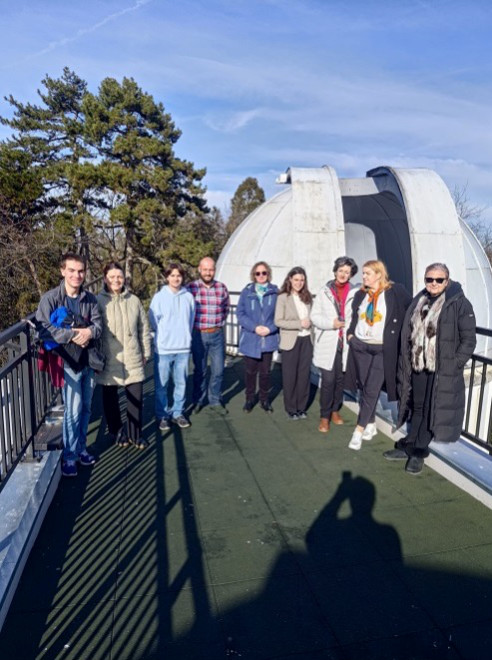
The amount of time for this activity was split into 25 hours of online and individual activities (the teachers have received the content of conferences in pdf file and the organizers were at disposal to answer questions and debates) and 15 hours of in-person activities together with lectures and volunteers.
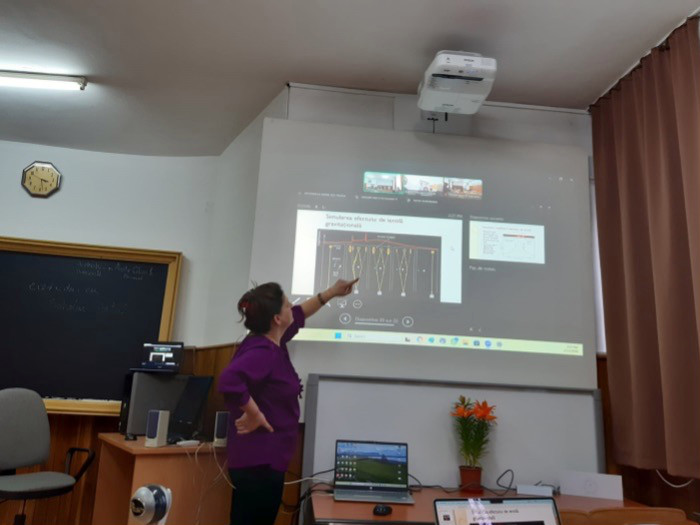
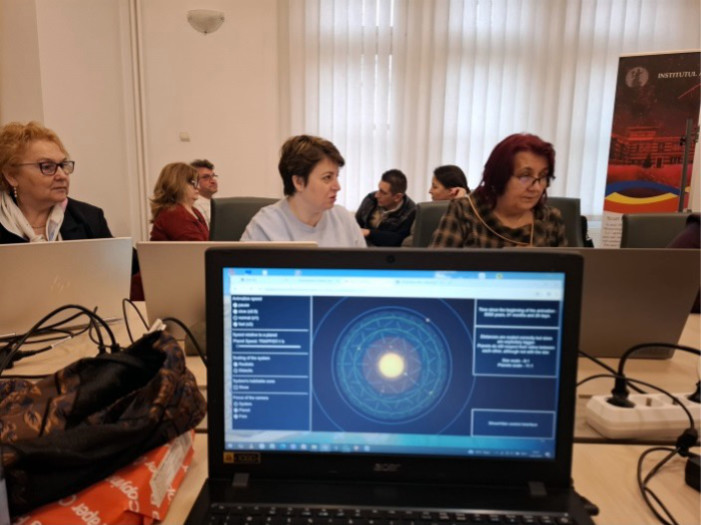
The activities were structured as a cohesive journey intended to merge scientific explanations with hands-on exercises and collaborative teamwork. Consequently, the participating educators acquired valuable insights and honed essential skills to transform their students’ curiosity about exoplanets into tangible activities, employing updated educational resources.
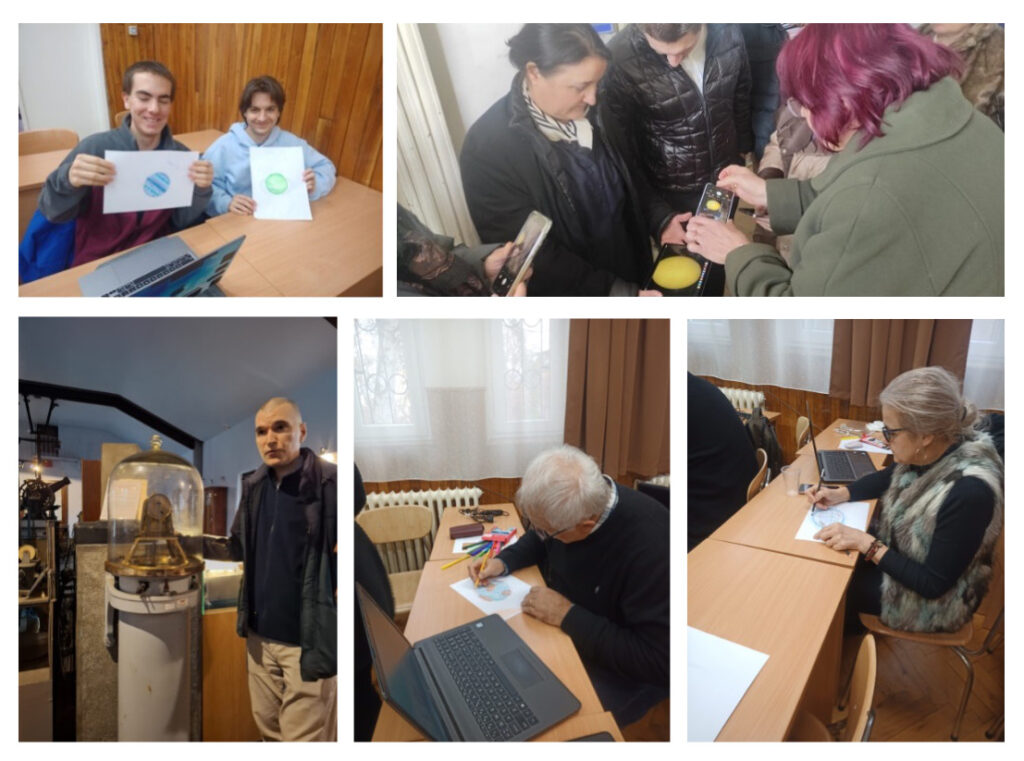
The outcomes of the successful Romanian training school became evident quickly.
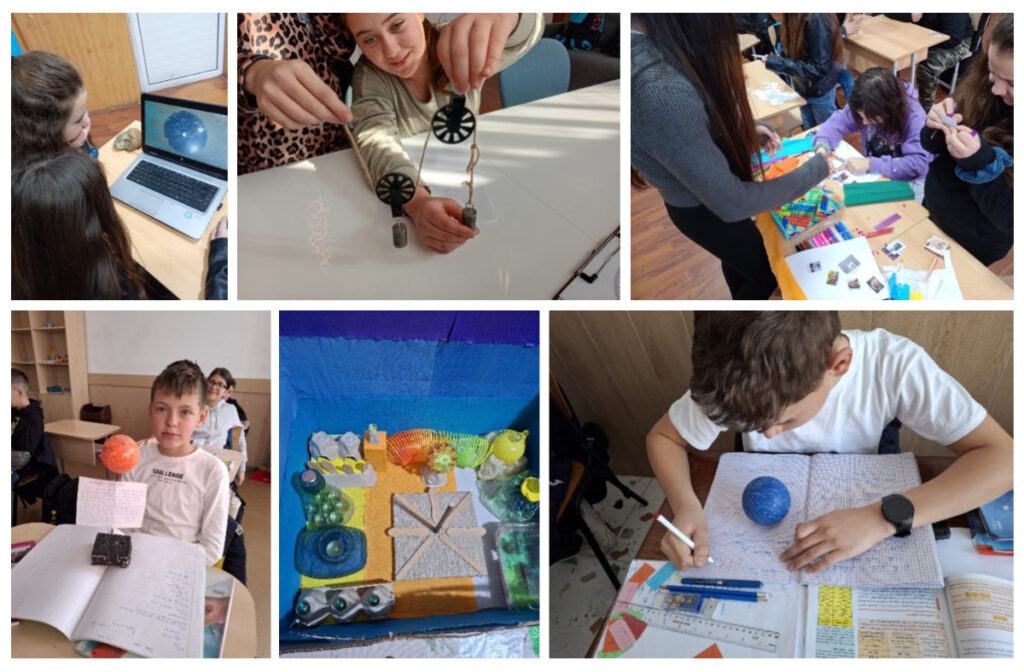
On February 23, after a span of few days, Professor Adrian Temelescu, a participant in the training school, led a fifth-grade class at Mircea Eliade Theoretical High School in Lupeni through an educational activity entitled “Detectives of Distant Worlds”, which centered on exoplanets. By employing a straightforward setup that consisted of a box, a flashlight, a cardboard disc affixed to a stick, and a smartphone equipped with the Physiq app, students were afforded the chance to apply the transit method, the predominant technique for identifying exoplanets situated beyond our Solar system. The activity advanced with students constructing models of various exoplanets using materials such as cardboard, modelling clay, cotton, glitter, and beads, with each group showcasing the characteristics of their exoplanet and inventively naming their exoplanet. Following this, they were able to “observe” these exoplanets through online resources like exoplanet.eu and the Stellarium program. This initiative was also a component of the school’s collaboration within the Erasmus+ program, Exo4Edu, in conjunction with the Astronomical Institute of the Romanian Academy.
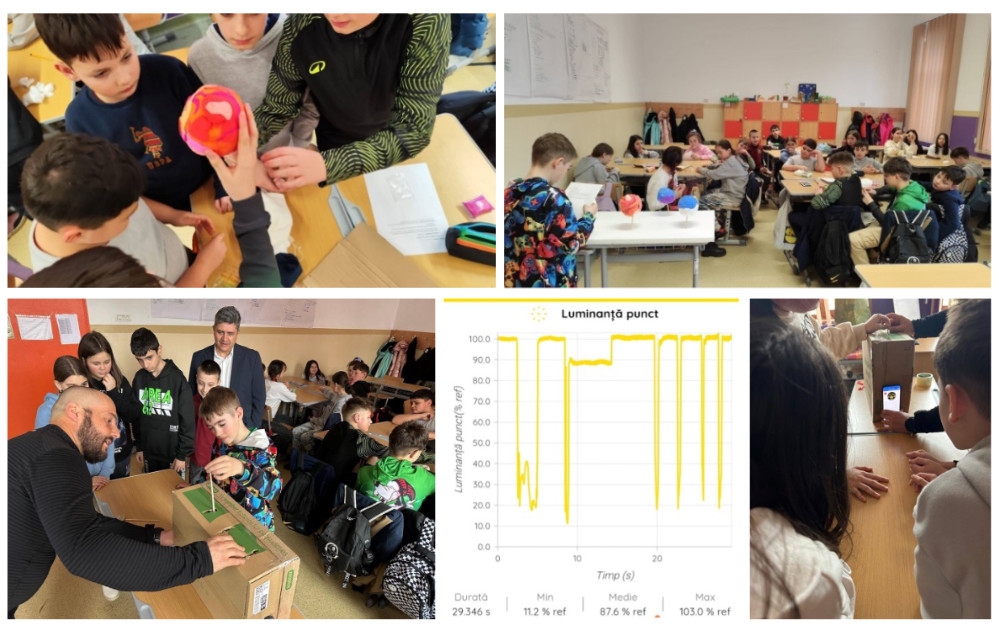
Moreover, the participating professors contributed new activity concepts, including how a sundial operates on a double star’s planet; how can we perceive what is not visible; exoplanet identification through spectroscopy in the classroom; an experiment demonstrating Kepler’s first law using a pulley analogy, among others, which are scheduled to be conducted in classrooms in the upcoming month.